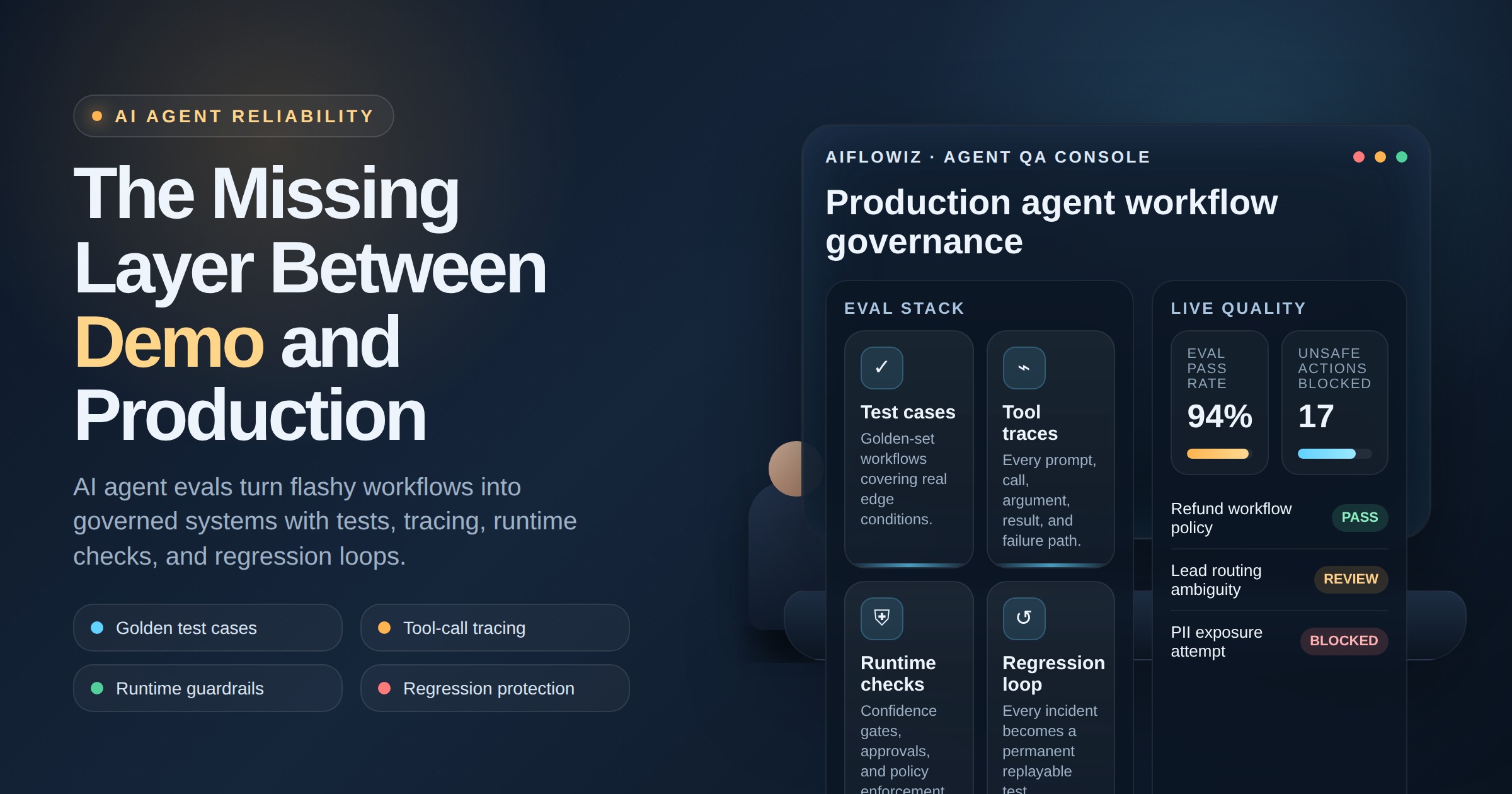
AI Incident Triage Agents: Faster Response Without Losing Control
Incident response breaks when alerts turn into unowned Slack chaos. AI triage agents can gather context, route approvals, and create audit trails without taking unsafe production actions.
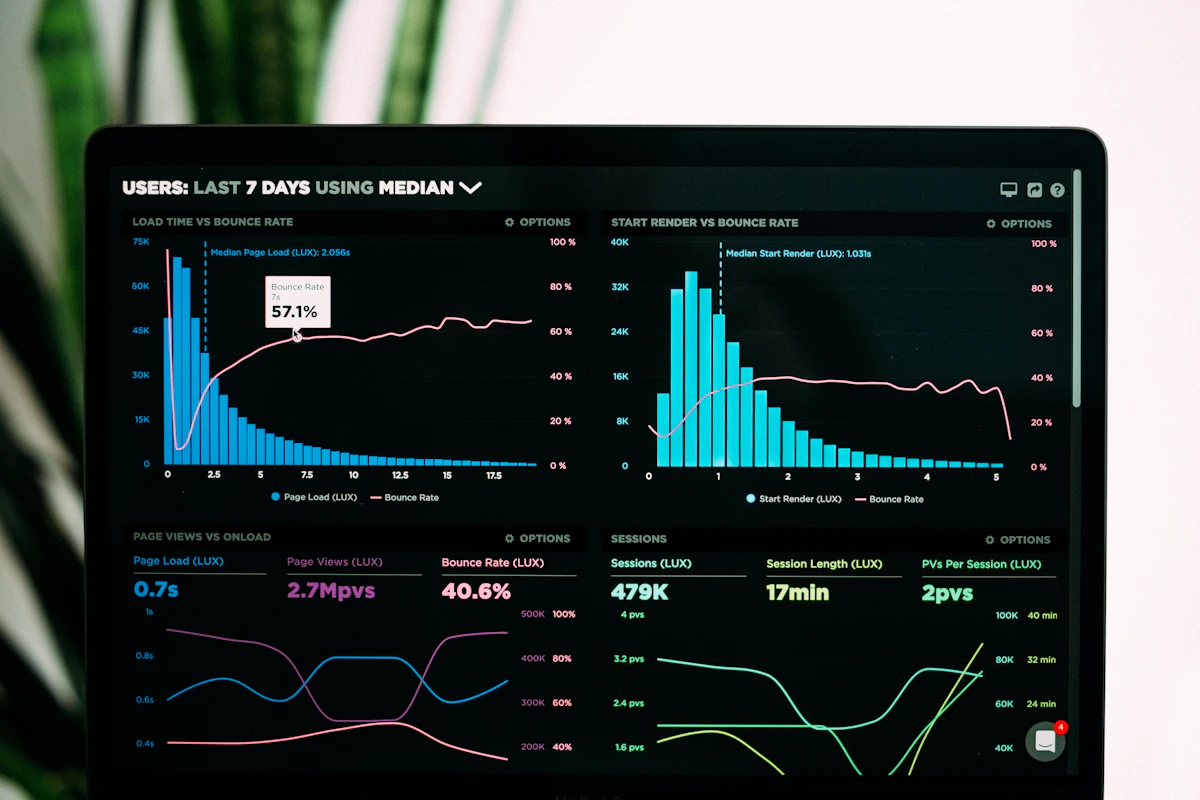
The hard part of incident response is not noticing that something broke. It is turning a noisy alert into the right next action before customers, revenue, or internal teams feel the failure.
The business pain: alerts create more handoffs than answers
Most growing teams already have monitoring, ticketing, Slack channels, dashboards, and escalation policies. The problem is that every incident still creates a scramble: someone reads the alert, checks three systems, asks who owns the service, opens a ticket, pastes context, waits for a human decision, and then tries to reconstruct the timeline later.
That workflow is expensive because it burns senior attention at the worst possible moment. A five-minute failure can create an hour of coordination debt when the handoff is not structured.
The AI opportunity: triage the incident, not the engineer
An AI incident triage agent should not be allowed to “fix production” by default. The useful first version is narrower and more valuable: gather context, classify severity, identify likely owners, draft the incident brief, and route the next action through a controlled approval path.
This turns AI from a risky autonomous actor into a response coordinator. The agent does the repetitive context work while humans keep authority over risky changes.
Key principle: the agent is not valuable because it acts fast. It is valuable because every action is bounded, logged, and reversible.
A production-ready architecture
A reliable incident triage system usually has five layers:
-
Signal intake: alerts from Datadog, Grafana, Sentry, CloudWatch, uptime monitors, CRM errors, or support spikes.
-
Context retrieval: recent deploys, runbooks, ownership maps, logs, tickets, feature flags, customer-impact data, and previous incidents.
-
Decision boundary: rules for severity, escalation, tool permissions, cost limits, and when the agent must stop.
-
Human approval: Slack or Teams approval gates before paging, rollback suggestions, customer comms, or status-page updates.
-
Audit trail: incident timeline, prompts, tool calls, evidence links, approvals, final summary, and follow-up tasks.
This architecture lets the business automate coordination without giving an LLM uncontrolled write access to production systems.
ROI: fewer wasted minutes, cleaner postmortems, faster recovery
The first ROI lever is response time. If the agent can cut ten minutes of context gathering from every meaningful incident, the savings compound across engineering, support, customer success, and leadership.
The second lever is consistency. Every incident starts with the same evidence checklist, severity model, and routing path. That means fewer missed owners, fewer duplicate Slack threads, and cleaner postmortems.
The third lever is prevention. When the system logs recurring causes and missing runbooks, it becomes an operating dataset for reliability improvements instead of a graveyard of scattered chat messages.
Guardrails that matter before launch
Do not ship an incident agent as a black box. Before production use, define clear limits:
-
Which tools can it read?
-
Which tools can it write to?
-
Which actions require approval?
-
What severity levels can it assign automatically?
-
What evidence must be present before escalation?
-
How are hallucinated conclusions caught before they reach customers?
The safest early deployment is read-heavy and write-light: summarize, classify, route, and draft. Add write actions only after logs, evals, and rollback paths prove the system behaves under pressure.
Where AIflowiz fits
AIflowiz builds incident triage agents as workflow systems, not demos. A practical 7-day PoC can connect your alerts, runbooks, Slack or Teams, ticketing system, and approval gates into one controlled response loop.
The goal is not to replace your reliability process. The goal is to remove the coordination drag around it.
If incident response still depends on the fastest person in Slack, the bottleneck is not monitoring. It is the handoff. Book a free AI audit or a 7-day AI automation PoC with AIflowiz to map the first safe triage agent for your team.