Healthcare AI Intake Workflows: Automate Referrals Without Risk
Healthcare AI should not start by making diagnoses. The safer commercial win is automating intake, referral routing, imaging requests, follow-up, and exception handoffs while clinicians stay in control.
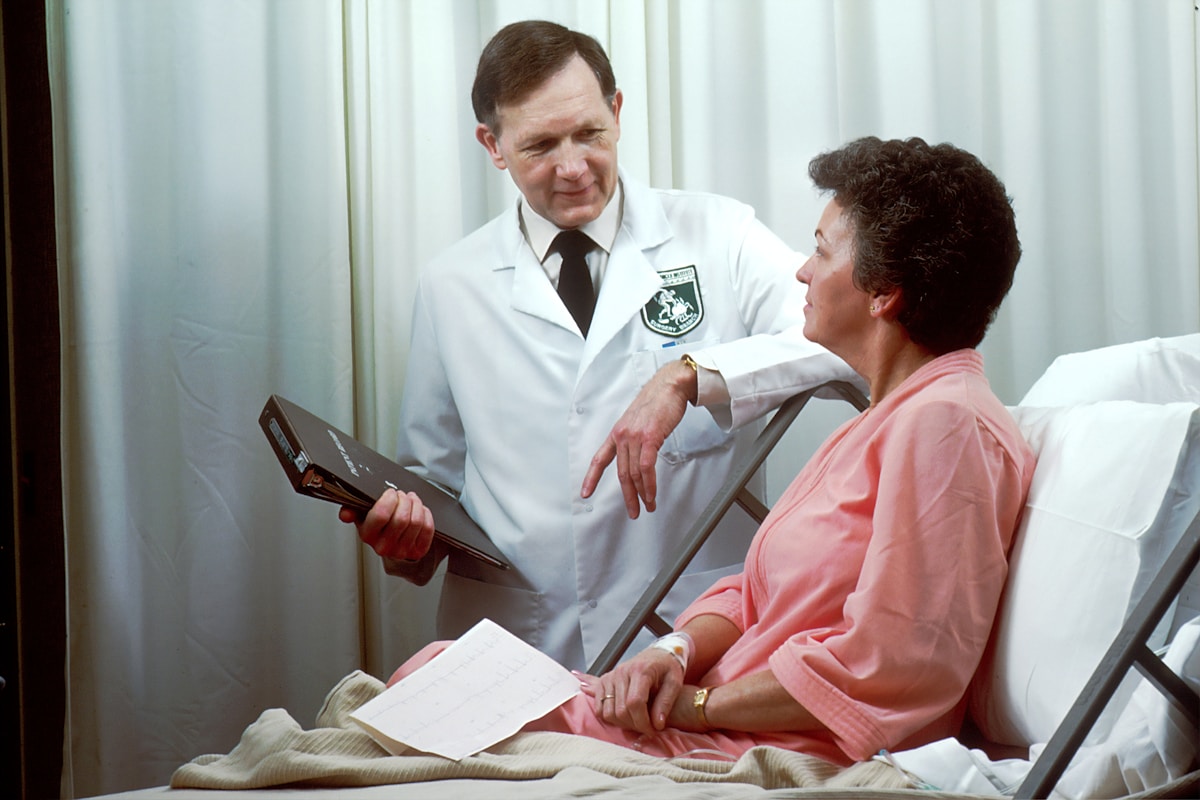
Healthcare leaders do not need another demo that guesses what is inside a scan. They need the operational layer around care to stop leaking time, calls, documents, referrals, and follow-ups. The safe first layer is operational, not diagnostic.
The real bottleneck is before and after the clinical decision
A clinic can have excellent clinicians and still lose patients in the handoff layer. Referral forms arrive incomplete. Imaging orders wait in inboxes. Patients call after hours and nobody qualifies the request. Staff copy data from PDFs into systems that were never designed for modern intake volume.
That is where AI becomes useful without pretending to be a doctor. It can read incoming documents, classify requests, collect missing details, prepare the record, route exceptions, and keep the patient moving until a human decision is required.
The opportunity is not “AI replaces clinical judgment.” It is AI protecting the workflow around clinical judgment.
Key principle: automate the administrative path, not the medical authority.
The intake workflow AIflowiz would build
A production healthcare AI workflow should behave like an intake control layer between phone calls, forms, email, portals, scheduling tools, and the system of record.
The architecture usually has six parts:
- Capture layer: voice AI, web forms, email parsing, and document upload intake.
- Extraction layer: Document AI pulls patient details, referral reason, insurance fields, requested service, dates, and missing items.
- Validation layer: required fields, duplicate checks, eligibility prompts, consent checks, and data-quality rules.
- Routing layer: referral type, urgency category, location, provider availability, and human owner.
- Handoff layer: exceptions go to staff with context, not a vague “AI failed” message.
- Audit layer: every extraction, edit, approval, and escalation is logged.
This gives the clinic a workflow that can move faster while still keeping humans in charge of anything clinical, risky, or ambiguous.
ROI comes from recovered capacity, not novelty
Healthcare AI projects often fail because the ROI model is too abstract. The practical return comes from simple operational metrics.
Track these before and after automation:
- missed calls and abandoned intake requests
- time from referral receipt to first action
- percentage of forms missing required fields
- staff hours spent re-keying documents
- appointment leakage from slow follow-up
- duplicate record cleanup
- exception queue aging
Even modest improvements compound. If an intake team saves 10 minutes per referral across hundreds of referrals per month, the gain is not just labor cost. It is faster scheduling, fewer patient callbacks, cleaner records, and less staff burnout.
Guardrails matter more in healthcare than autonomy
A healthcare workflow should have hard boundaries. AI can prepare, classify, summarize, and route. It should not make unreviewed clinical determinations, hide uncertainty, or overwrite source records without approval.
Useful guardrails include:
- confidence thresholds for extracted fields
- source-linked summaries so staff can inspect the original document
- human approval for clinical-risk categories
- clear escalation for incomplete or contradictory information
- role-based access and minimum necessary data exposure
- audit logs for every automated decision and staff override
- retention rules aligned with the organization’s compliance requirements
The goal is not to make the workflow feel magical. The goal is to make it inspectable.
Where to start in seven days
The best first build is usually one narrow intake lane: referrals for a specific service, after-hours appointment requests, imaging-order follow-up, or document-heavy pre-visit intake.
A seven-day proof of concept can map the workflow, connect one or two channels, extract the required fields, route exceptions to a human queue, and show before/after metrics on response time and manual handling.
Do not start with the most regulated decision. Start with the handoff that is slow, repetitive, measurable, and currently owned by whoever has time.
Healthcare AI does not have to diagnose to create value. It can protect the intake path, prepare clean records, and make sure the next human receives the right context at the right moment. If your healthcare operation is losing time in referrals, forms, calls, or follow-up, book a free AI audit or a 7-day AI automation PoC with AIflowiz.